Your checked bag didn’t arrive: what to do before leaving the airport
Report the missing checked bag, confirm delivery, retain receipts and keep fee refunds separate from other claims.

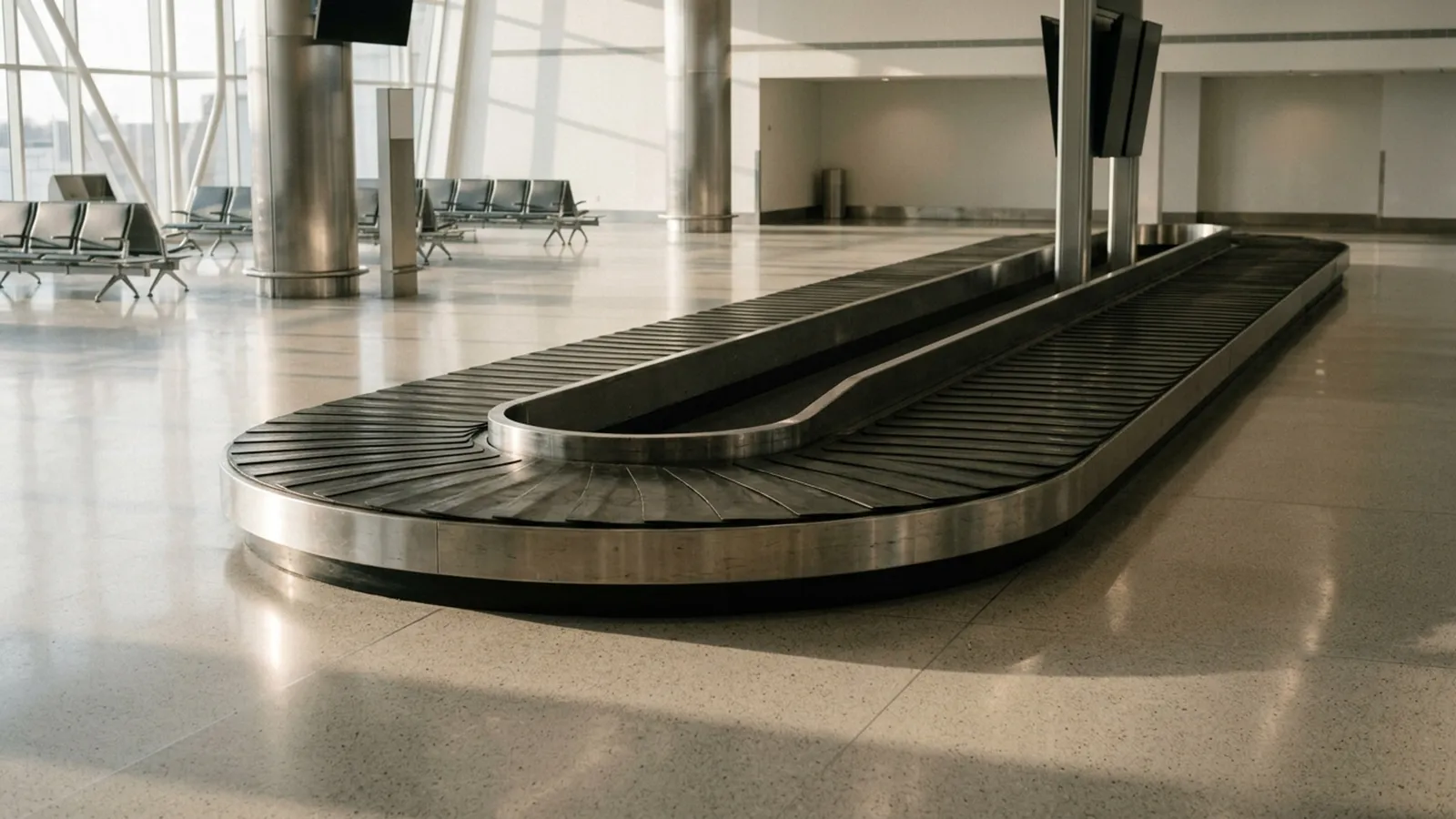
The belt stops and your bag is not there. Before buying replacements or chasing compensation, create a clear record of the missing bag and agree what happens next.
This guide is written for US travelers and trips involving the United States. It separates a missing-bag report, reimbursement for necessary expenses and any refund of a checked-bag fee. Those are related tasks, not a single claim that automatically resolves everything.
First, establish that it needs a report
Check the correct belt and any oversize or special-baggage area. Look at the airline’s baggage status if available, then find its baggage-service route. A tracker location can be useful information, but it does not replace a report or prove that a bag is ready to collect.
Keep your baggage receipt and boarding pass. Note the airline and flight that brought you to the arrival airport, especially if more than one carrier operated the journey. Explain any separately ticketed connection or bag recheck; do not assume the agent can see the same itinerary you see.
DOT advises passengers to file a baggage claim promptly and remain in contact with the airline while it locates the bag. US DOT baggage guidance
Create the report and leave with the reference
Use the airline’s stated reporting process. That may be an airport office, an approved online report or another channel. American describes mobile reporting for some cases and separate rules for domestic and international arrivals. Delta directs travelers through its baggage-service process. Do not wait for a convenient day at home before finding out which deadline applies. American’s process · Delta’s process
Before leaving, try to have:
- A report or file reference, with a copy or screenshot.
- The bag-tag number and a description that distinguishes your bag.
- The contact channel for updates and the route for submitting expenses.
- The delivery address and dates you will actually be there.
- The next action if the bag has not arrived before you move on.
A hotel address is not enough if you check out tomorrow. Tell the airline about the train, cruise or onward flight. Ask how a delivery change is recorded rather than relying on a verbal suggestion to “call later.”
Buy essentials you can explain
DOT says airlines must compensate reasonable, verifiable actual incidental expenses caused by delayed baggage, subject to applicable liability limits. It also says an airline cannot impose an arbitrary daily allowance as its policy. That is not permission to replace a complete wardrobe without considering the situation. DOT responsibilities
Use a practical test: what do you need before the bag is likely to arrive, what do you already have, and what reasonable alternative can you buy? Keep itemized receipts and record why the purchase was needed.
In an invented example, a traveler has one change of clothes in a carry-on but no toiletries for two nights. Buying basic toiletries is a different claim from replacing all the packed clothing on the first evening. The airline’s assessment still depends on the facts; this example does not promise reimbursement.
For medication, medical equipment or an assistive device, explain the need immediately and use the appropriate specialist process. Do not substitute an ordinary clothing claim for an urgent health or accessibility need.

Keep the bag-fee refund separate
DOT describes a checked-bag-fee refund for lost or significantly delayed baggage, with specified delay thresholds and exceptions. The passenger must have filed a mishandled-baggage report. That refund is distinct from reimbursement for necessary purchases or compensation for loss. DOT fee-refund rules
Write separate lines in your record: bag location, expenses submitted and bag-fee refund. Otherwise it is easy to mistake a refund of a small fee for settlement of everything connected with the delay.
Preserve the evidence until the case is settled
When the bag arrives, record when and where you received it. Check for damage and missing contents promptly. Those can have separate reporting deadlines. American’s page, for example, distinguishes damaged bags and missing contents from the initial delay report; Delta also distinguishes the processes.
Keep copies of the report, messages, receipts, purchase evidence for any loss claim, and the bag’s delivery record. An initial report is not necessarily the later written claim required for expenses or loss.
If another benefit might apply through a card or insurance policy, read its notice requirements and coordinate the records. Do not claim reimbursement for the same cost twice or assume every policy covers the incident.
A five-minute departure checklist
Before leaving the airport, can you identify the report, the delivery plan, the next contact and how to preserve receipts? If any answer is missing, try to resolve it while the baggage-service team is available.
Then make a modest plan for the next day. The aim is to continue the trip with an evidence trail and workable essentials, rather than spend the whole evening trying to reconstruct a conversation at the carousel.
Sources
US DOT’s lost/delayed/damaged baggage guidance, American’s reporting instructions and Delta’s baggage instructions linked above; read 16 November 2026. International treaty and airline deadlines vary. No fixed compensation payout or universal claim deadline is promised.
Continue planning
Build a trip folder you can use when the connection fails. Keep baggage reports and receipts with an offline trip folder you can retrieve while traveling.
Check the bag-transfer arrangement before combining tickets. If the journey used separate tickets, explain the actual bag-transfer arrangement when reporting the problem.