Family seating on flights: what to check before and after booking
How to give a young child the best chance of sitting next to an adult: check the airline's commitment, book on one reservation, and know what to do if seats are split.

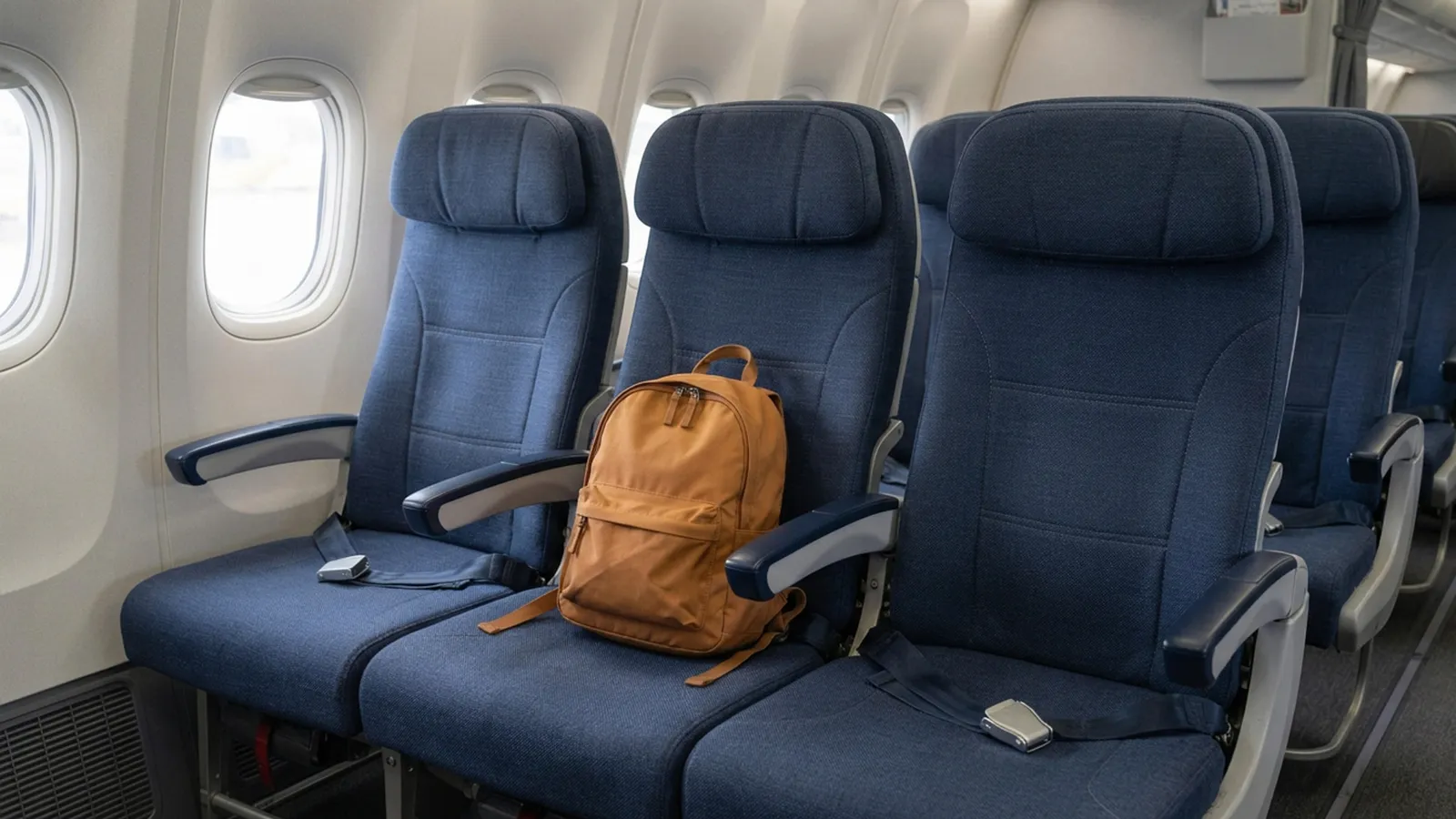
Where an airline charges to choose a seat, families may wonder whether a young child will end up in a different row. The US Department of Transportation (DOT) publishes a dashboard that shows which airlines commit to seating young children next to an adult at no extra charge. Those commitments have conditions, and your own booking choices can decide whether they apply.
This guide walks through what to check before you buy, what to do straight after, and what to do if the seats still come out wrong. It is general information. Airline policies change, so read the airline’s current page for your flight.
Step 1: Check the airline’s family seating commitment
DOT “encourages all airlines to guarantee that young children are seated adjacent to an accompanying adult without charging any additional fee,” and its Airline Family Seating Dashboard shows which airlines have made that commitment and which have not (US DOT, checked November 18, 2026). The dashboard covers nine carriers (Alaska, Allegiant, American, Delta, Frontier, Hawaiian, JetBlue, Southwest and United), and it showed a “last updated” date of September 5, 2025 when checked, so confirm the policy on the airline’s own site as well.
The dashboard’s measure is a guarantee of adjacent seats for a child aged 13 or under and an accompanying adult, at no additional cost, for all fare types, “subject to limited conditions.” Not every airline on the list makes that guarantee. If the airline you are considering does not, the practical advice later in this guide matters more.
DOT says it “encourages” airlines to make this guarantee, and the dashboard shows which have committed and which have not. A commitment is the airline’s own policy, so treat it as one input to your choice, alongside price and schedule. If you are comparing carriers, add the cost of seat selection to the comparison, as described in comparing flight prices with bags, seats and airport costs.
Step 2: Read the conditions that come with the guarantee
For airlines that assign seats, DOT lists conditions the airline may attach to its guarantee. These are the ones that tend to catch families out:
- The child and the accompanying adult are on the same reservation.
- Adjacent seats are available at the time of booking in the class of service you selected.
- The aircraft is not swapped for a smaller one.
- The adult either chooses seats for the entire reservation or skips seat selection for the entire reservation, and does not change seat assignments once they have been assigned.
- It is physically possible, given the seat layout, to seat the number of children next to the adult or adults.
If those conditions are met, airlines that assign seats and guarantee fee-free family seating will provide adjacent seat assignments to the adult traveling with a child age 13 or under no later than the day before the flight (US DOT, checked November 18, 2026).
The layout condition is worth a thought. A row of three seats can hold one adult and two children, but a family of five may not fit together in a single row on every aircraft. The airline’s guarantee covers adjacent seating, not an unlimited block.
Airlines with open seating, where there are no assigned seats, have a different condition: the adult must tell the gate agent about the need for adjacent seats before boarding starts. DOT’s wording is “prior to start of boarding”.
Step 3: Book everyone on one reservation
The same-reservation condition appears for both seat-assigning and open-seating airlines. It is also one a family controls at the time of booking.
Putting the child and the accompanying adult on a single booking is the way to meet that condition. If tickets are bought separately, the child and adult are on different reservations, so the condition may not be met. Names should match travel documents, as for any booking.
For a large group, it may be worth asking the airline how it applies the guarantee to a booking with several children and adults. For why splitting travelers across flights is a separate problem, see planning when a travel party is on different flights.
Step 4: Decide how to handle seat selection
One of the conditions above is that the adult either chooses seats for the entire reservation or skips seat selection for the entire reservation, and does not change assignments once made. DOT does not explain the reasoning on the dashboard.
Two approaches fit that condition, though the airline’s current terms decide how it works in practice:
- Skip paid seat selection for everyone and rely on the airline’s guarantee that adjacent seats will be assigned by the day before the flight.
- Choose seats for everyone together at booking, making sure the seats are adjacent, and then leave them alone.
Choosing one seat and changing it later could break the condition, so it is worth asking what the airline says about changes. If the airline does not make a fee-free guarantee, you may need to pay for seat selection to sit together. In that case, compare the cost with the fare difference to another airline.
The dashboard measures guarantees for all fare types, so check that your airline’s commitment covers the fare you plan to buy.
Step 5: Check your seats after booking
It can help to open the reservation after buying and look at where everyone is, then look again before the trip and when check-in opens. DOT says seats are to be assigned no later than the day before the flight, so seats may not show as adjacent until then.
Seat maps can change for operational reasons, including an aircraft swap. A swap to a smaller aircraft is one of the listed conditions that can end the guarantee, so a changed seat map may be a reason to check with the airline. If seats are not adjacent when expected, you could contact the airline through the channel it lists and note what you were told.
Keep a copy of the reservation and the airline’s family seating wording in your trip folder (see building a trip folder you can use offline). Having the policy text to hand may help if you need to raise the issue at the airport.
Step 6: Know what to do if seats are still split
If you arrive at the airport and a young child is not seated next to an adult, ask at check-in or at the gate. It may help to state the child’s age and that you are asking for adjacent seats under the airline’s family seating commitment, if it has one. On an open-seating airline, DOT’s condition is that the adult tells the gate agent before boarding starts.
If you ask other passengers to swap, outcomes are not guaranteed, and the airline’s staff may be able to say how they handle such requests.
If you are dissatisfied with how family seating was handled, DOT says you can file a complaint with the airline or with DOT, and its dashboard links to a complaint form (US DOT, checked November 18, 2026). A complaint is a way to report the experience afterwards.
Common questions
What age counts as a young child? DOT’s dashboard measures guarantees for a child aged 13 or under. An individual airline’s own policy may differ, so check its current wording.
Does the guarantee apply on every airline? No. The dashboard lists carriers that make the commitment and carriers that do not. Check the dashboard and the airline’s own page.
Do I have to pay for seat selection? Under a fee-free commitment, you should not need to. Airlines without such a commitment may charge, so compare the cost before you buy.
Sources checked November 18, 2026: US Department of Transportation, Airline Family Seating Dashboard. The dashboard showed a last-updated date of September 5, 2025. Airline policies change; confirm the current terms with the airline before booking.