Mixed-Cabin Awards: Check Every Flight Before Booking
A business-class label can hide an economy segment. Inspect every flight, cabin and connection before accepting a mixed-cabin award.
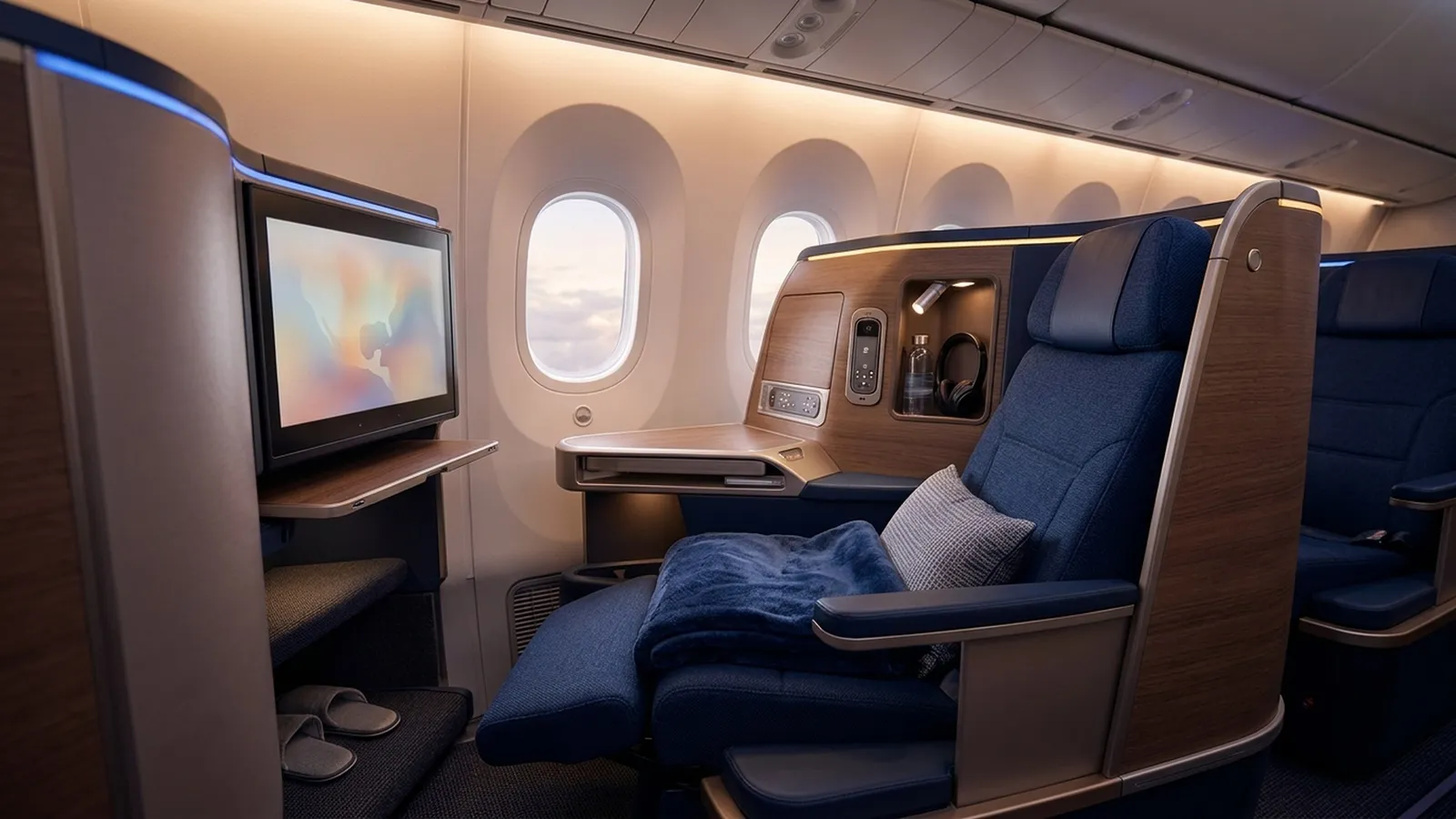
Award search results often label an itinerary by its highest cabin. So a “business-class” result can mean business on a short connection and economy on the nine-hour overnight flight, which is the opposite of what most people want. These are called mixed-cabin awards. Some are excellent value, and some are a disappointment you only notice at the gate.
The fix is simple: read every flight before you book. Here is how.
Step 1: Read the itinerary one segment at a time
Open the full flight details for the itinerary, not just the summary line. For each flight, note:
- The cabin booked on that flight.
- The flight duration, and whether it’s overnight.
- The operating airline, which may differ from the airline named on the flight number.
Most booking sites show the cabin per flight somewhere in the details, sometimes only when you expand each segment. If a site shows a cabin only for the whole trip, treat that as a reason to check further before paying.
Step 2: Identify which segment justifies the redemption
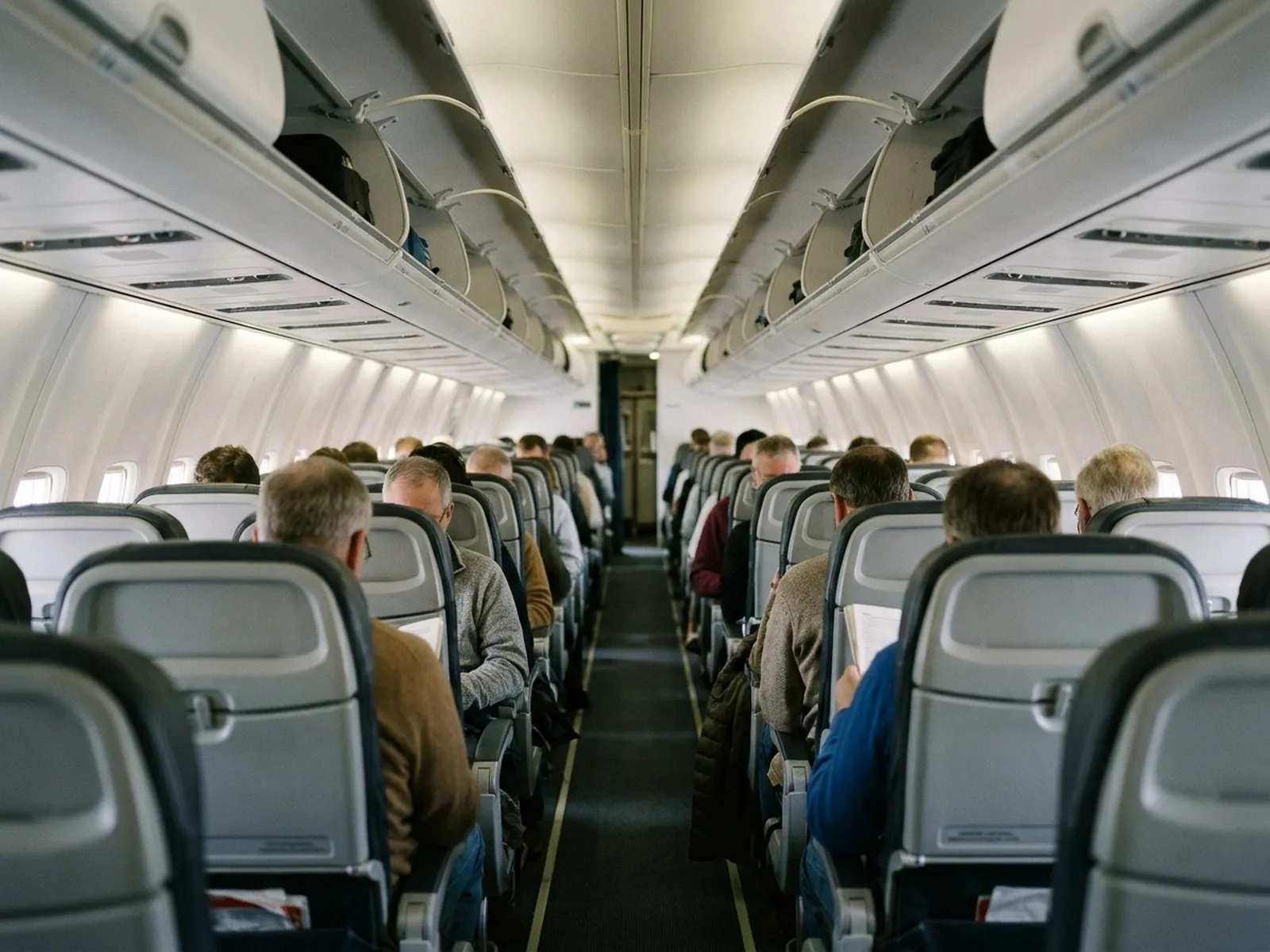
On most trips, one flight is the reason for using points: usually the longest one, or the overnight one where a flat bed lets you sleep. Business class on a one-hour connection adds comfort but little value. Economy on the long flight removes most of the point of the premium award.
Ask:
- Is the long or overnight flight in the cabin you want?
- If not, is the mixed itinerary priced lower than a full premium award, enough to make it worth taking?
A mixed-cabin award where the short flights are in economy and the long one is in business is usually fine. The reverse usually isn’t.
Step 3: Check the actual cabin product
“Business class” means very different things on different aircraft. On some flights it’s a flat bed with direct aisle access; on others, especially shorter routes and within Europe, it can be an economy seat with the middle seat left empty.
Check:
- The aircraft type shown for each flight, then the operating airline’s own cabin pages for that aircraft.
- The seat map, if the booking program or operating airline shows one.
- Overnight legs in particular. That’s where the seat type matters most.
Airlines can change the aircraft after you book, so the seat isn’t guaranteed. But checking now avoids booking a flight that was never going to have the seat you expected.
Step 4: Compare all-premium and mixed-cabin alternatives
Before accepting the mixed itinerary, compare it with the alternatives:
- An all-premium itinerary on a different date or routing, even if it costs more miles.
- A different connection where the long flight is in the right cabin.
- Positioning to a different departure airport on a separate ticket. This can open better options, but it adds cost and risk: if the first flight is late, the award airline has no obligation to help.
Compare time, miles, cash charges and the cabin on the flight that matters. A small saving in miles rarely justifies economy on the long overnight flight.
Step 5: Save cabin evidence before paying
Before and after you book, take screenshots or save the confirmation showing the cabin on every segment. Check that the confirmation email lists each flight with its booked cabin.
That record matters if the airline later downgrades you, for example by moving you from business to economy because of an aircraft swap. Rules depend on the route and the airline. For flights covered by EU or UK passenger-rights rules, an airline that downgrades you must refund a share of the fare for that flight: 30%, 50% or 75%, depending on its distance, according to the UK Civil Aviation Authority. How that share is worked out for an award ticket can be unclear, so keep your evidence and contact the airline or program that issued the ticket.
A worked example
Here’s how the steps look on a hypothetical search. The details are illustrative.
You search for business class from Denver to Edinburgh. The cheapest “business” result costs 70,000 miles. Expanding the details shows three flights:
| Flight | Duration | Cabin booked |
|---|---|---|
| Denver to Chicago | 2 h 30 m | Business |
| Chicago to London (overnight) | 8 h 05 m | Economy |
| London to Edinburgh | 1 h 20 m | Business |
The label is technically accurate (the itinerary includes business), but the overnight flight, the one that justifies a premium award, is in economy. A second result at 85,000 miles has business on the transatlantic flight and economy on the short domestic connection. For most travelers, the second is the far better use of miles, even though it costs more.
A quick checklist before paying
- Expand every flight and note its cabin.
- Find the longest or overnight flight, and confirm it’s in the cabin you want.
- Check the aircraft and seat type for that flight on the operating airline’s site.
- Compare at least one all-premium alternative, even if it costs more miles.
- Screenshot the itinerary showing the cabin per flight.
- After booking, check that the confirmation lists the same cabins.
Common questions
Does a business-class award mean every flight is business class? Not necessarily. Many search results label an itinerary by its highest cabin. Expand the details and check the cabin on each flight.
How do I check the cabin on the longest flight? Open the flight details in the booking program and expand each segment. Then check the aircraft type and seat on the operating airline’s own site.
Can the aircraft change after booking? Yes. Airlines swap aircraft for operational reasons, which can change the seat or, occasionally, remove the cabin altogether. Recheck before departure, and keep your booking evidence.
Who handles an award-ticket cabin downgrade? Start with the program that issued the ticket, and also contact the operating airline. Have your confirmation showing the booked cabin ready. For flights covered by EU or UK rules, ask about the downgrade refund that applies.
For finding the seats in the first place, see Award travel for beginners.