A travel adaptor changes the plug, not the appliance: check each device before packing
A device-by-device packing guide distinguishing physical plug adaptation, input compatibility, earthing and power limits.

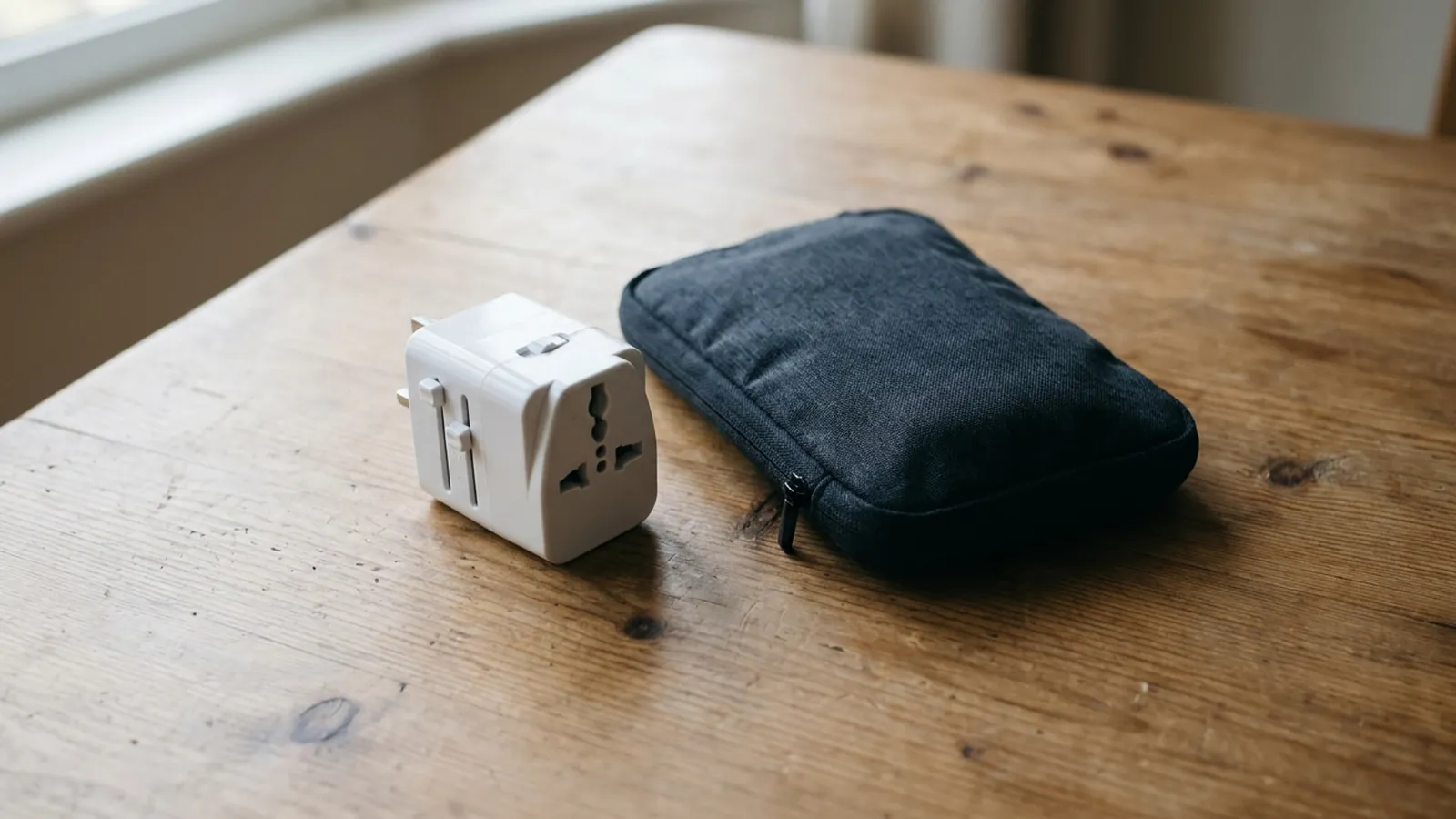
A plug fitting into a socket does not establish that the appliance can safely use the electricity behind it. Before buying a travel adaptor, check the devices you plan to take and the supply at the destination.
This is a small packing task with a clear result: a short list of devices that are suitable, the adaptor each needs and anything better left at home. Buying a large universal-looking block does not settle every compatibility question.
Separate plug shape from electrical compatibility
Electrical Safety First’s travel guidance distinguishes a travel adaptor from a voltage transformer or converter. An adaptor alone does not solve a mismatch between the supply and the appliance’s permitted input.
Read the actual appliance or power-supply label and manufacturer instructions. Do not assume that every device from the same country, or every charger with a USB connection, has identical requirements.
A multi-voltage power supply may accept a range that includes the destination’s supply. A different appliance may not. The relevant label is on the particular unit you will pack, not on a similar product in an online photograph.
Make the list device by device
Lay out the phone charger, laptop power supply, camera charger and any other essential equipment. Note the input information and the plug arrangement you intend to use.
For items with unclear labels, damage or missing instructions, resolve the question before travel. Do not use an unfamiliar hotel socket as the place to experiment.
Treat heating appliances and specialist equipment as their own decisions. The fact that a small charger works through an adaptor does not prove that a hair appliance or other high-power device is suitable for the same setup.
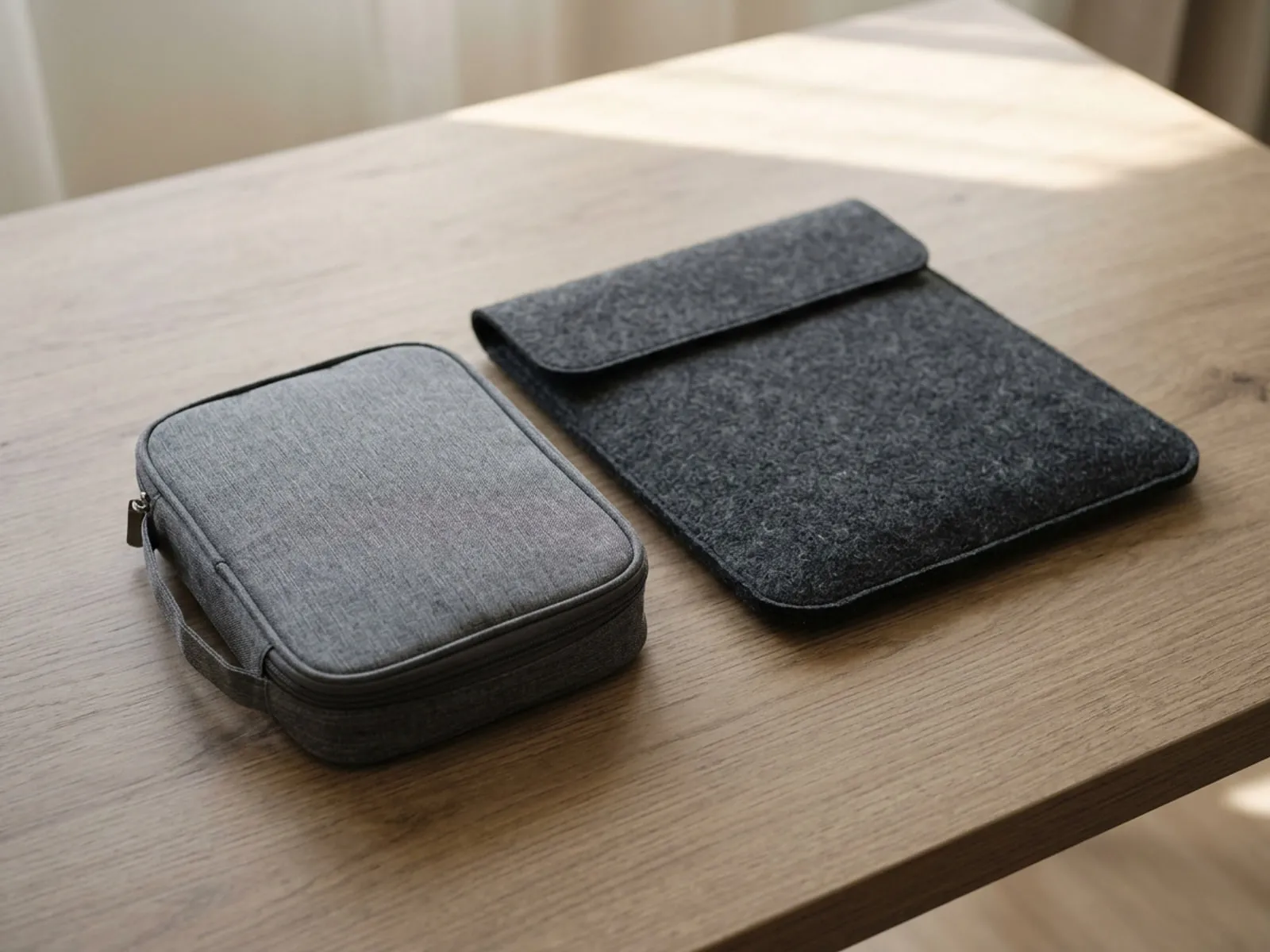
Check the adaptor as well as the device
The safety guidance says to check the adaptor’s maximum rating and whether it is suitable for equipment requiring an earth connection. An opening that accepts the plug is not enough if the required protective connection is missing.
Buy an appropriate product from a reputable source and follow its instructions. Do not defeat an earth pin, alter a plug or improvise a connection to make something fit.
If a converter is needed, its suitability depends on the actual equipment and electrical requirements. Seek the manufacturer’s advice rather than choosing a generic box solely from a travel-shop description.
Plan enough charging without building a tower
Imagine two travelers carry two phones, a camera and a laptop. Before adding several adaptors, check which approved chargers can safely serve the intended devices and how many sockets the accommodation is likely to make available.
Keep compatibility separate from convenience. Sharing a suitable charger may simplify the bag; connecting multiple unassessed adaptors or extension products introduces a different arrangement that needs its own safety assessment.
Allow time to charge things in a sensible sequence. A camera battery does not always need to charge at the exact moment as every other device. Avoid leaving equipment operating contrary to its instructions simply to clear the evening’s list.
Keep essential equipment on its own plan
For medically necessary or otherwise critical equipment, contact the manufacturer and accommodation about the exact requirements, supply and backup arrangements. A general travel article cannot confirm that an individual setup will work safely.
Check the transport rules for batteries and related equipment separately. Electrical compatibility in the room and permission to carry an item on the journey are different questions.
Finish before departure
Test the permitted charging arrangements at home where the supply and instructions allow it. Label or separate the items in a way you understand, without covering safety information.
The goal is not to become an electrician. It is to stop treating plug shape as the only question, follow the actual product instructions and leave unsuitable equipment out of the bag.
Sources
Electrical Safety First: travel advice and adaptor guidance, read November 16, 2026. No individual wiring, converter specification, device endorsement or country-by-country electrical table is provided.
Continue planning
Check luggage for the whole journey: plane, train and hotel. Plan how the essential equipment travels as well as how it will be powered at the destination.
Pack for the week you will live, not a different outfit for every day. A longer stay needs a small reliable equipment plan rather than an accumulation of rarely used accessories.
Build a trip folder you can use when the connection fails. Keep essential operating instructions and confirmations accessible without relying on a live connection.