UK Award Flight Surcharges: Compare the Full Itinerary
Understand the cash portion of a UK award flight by separating passenger taxes, airport charges and carrier-imposed surcharges.
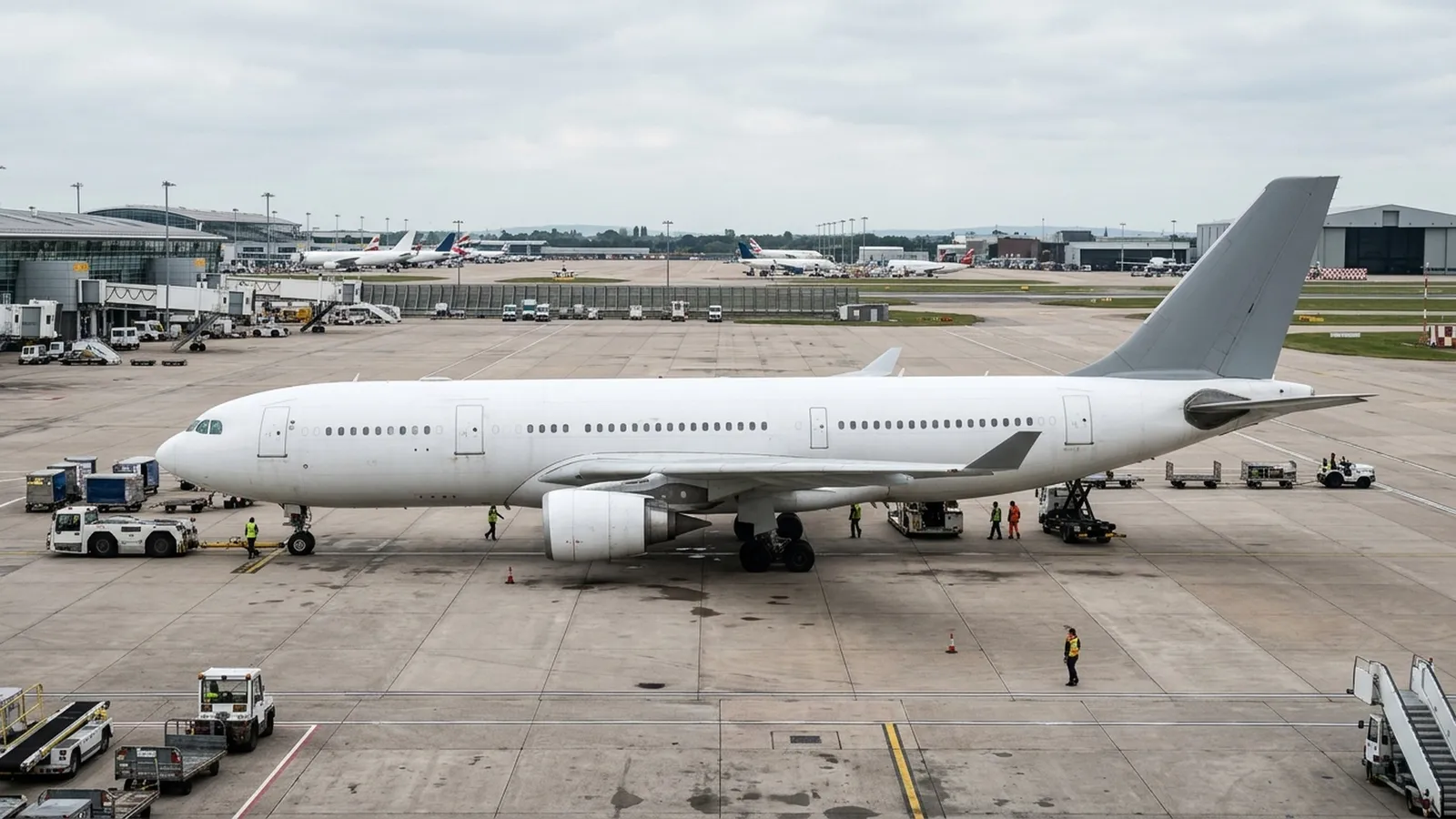
Award flights to and from the UK are known for one thing besides the destination: the cash you still pay on top of the miles. Two awards on the same route can differ by hundreds of dollars in cash, depending on the direction, the airport, the cabin and which program you book through. This guide breaks the cash portion into its parts, so you can see which ones you can actually avoid.
Break down the cash amount
The cash part of an award has three main parts. Most booking sites show them on the price breakdown at checkout.
- Government taxes. For flights departing the UK, the biggest is Air Passenger Duty (APD). Other countries add their own departure and arrival taxes.
- Airport charges. Fees set by the airports you use, such as passenger service charges.
- Carrier-imposed charges. Charges added by the airline or the booking program, sometimes labeled as a fuel or carrier surcharge. These aren’t taxes, and whether you pay them depends heavily on the program you book with.
Only the last one varies by booking program. Taxes and airport charges are the same whoever issues the ticket.
Compare direction and departure airport
Departing the UK costs more. APD is charged on flights departing UK airports, not on arrivals. For the 2026–27 tax year, GOV.UK lists APD for flights to destinations between 2,001 and 5,500 miles from London (which covers most of the US) at £102 in the lowest class and £244 in any other class. So a business-class award from London to New York carries more tax than the same award from New York to London.
Regional airports. APD applies to departures from airports across the UK, with exceptions such as flights from the Scottish Highlands and Islands. A regional departure doesn’t avoid APD by itself, but airport charges differ between airports, and so can the airlines and routings available.
Compare the cash for the full round trip, not each direction separately.

Check cabin and connection treatment
Cabin. APD’s reduced rate applies only to the lowest class on the plane with seat pitch under 40 inches. Premium economy, business and first pay the standard rate, more than twice as much. That’s part of why premium-cabin awards from the UK carry more cash.
Connections. If you connect in the UK onto an international flight, the onward flight isn’t charged APD again as long as it departs within 24 hours of your arrival and both flights are on the same ticket. Break the trip into separate tickets with a long gap, and the departure from the UK is taxed again.
Check the exact breakdown for your itinerary at checkout. Tax rules have exceptions, and the booking site’s figure is the one you will pay.
Compare booking programs on the same flight
Because carrier-imposed charges depend on the booking program, the same seat on the same flight can cost very different amounts of cash depending on where you book it:
- Some programs pass on large carrier-imposed charges on certain airlines’ flights.
- Others add small fees or none at all on the same flights.
- Some charge less cash but more miles, or attach different rules for changes and cancellations.
So compare the full price (miles plus cash) through each program that can book the flight and that your points can reach. Award travel for beginners covers finding the programs that can ticket a flight.
Include the cost of avoiding a surcharge
There are ways to reduce the cash on a UK award, such as booking through a program with lower carrier charges, departing from a different country, or flying a different airline. But each has costs of its own:
- Positioning flights to another country to start the trip there.
- Hotels if the timing needs an overnight stay.
- Separate-ticket risk. If a positioning flight on a separate ticket is late, the award airline has no obligation to help.
- Time, which is a real cost on a short trip.
Add these up before deciding the saving is worth it. Open-jaw award trips covers flying into one city and home from another, which can change the cash picture too.
A worked example
Here’s how the parts of the cash cost add up on a hypothetical round trip in business class between New York and London, booked with miles. The figures are illustrative except APD, which is the GOV.UK rate for the 2026–27 tax year.
| Part | Outbound (New York to London) | Return (London to New York) |
|---|---|---|
| UK Air Passenger Duty | None (arriving in the UK) | £244 (standard rate, band B) |
| US taxes and fees | Some | Some |
| Airport charges | Some | Some, often higher from London |
| Carrier-imposed charges | Depends on booking program | Depends on booking program |
Two things stand out. The return trip carries APD and the outbound doesn’t, so a one-way award from London costs more cash than the same award to London. And the carrier-imposed charges row is the only one that changes if you book through a different program.
A quick checklist
- Price the round trip, not just one direction.
- Look at the checkout breakdown, and separate taxes from carrier charges.
- Price the same flights through each program you can reach.
- If a trip starts in the UK, remember APD applies to the departure, at a higher rate in premium cabins.
- Before positioning to avoid charges, add up flights, hotels, time and the risk of separate tickets.
Common questions
Are carrier-imposed charges the same as government taxes? No. Taxes and airport charges are set by governments and airports and are the same whichever program issues the ticket. Carrier-imposed charges are added by the airline or program and vary widely.
Why do outbound and inbound awards have different cash costs? Mainly because APD is charged only on departures from the UK. Airport charges and some other taxes also differ by country.
Does a regional UK airport change the full-trip total? Sometimes. APD still applies to most UK departures, but airport charges and available airlines differ. Compare the full itinerary from each airport.
Can a cheaper award seller add other restrictions? Yes. A program with lower cash charges may charge more miles, have stricter change rules or limit which flights you can book. Compare the whole deal, not just the cash line.